Introduction
If your business website still looks and behaves the way it did five years ago, you are likely losing customers to competitors who invested in a modern web presence. Web development has changed dramatically, and the businesses that adapt are the ones winning search rankings, converting more visitors, and building trust faster than everyone else in their market.
In this guide, you will learn what modern web development actually means in practice, which technologies matter most for businesses in 2026, how a professional development process works from start to finish, and the specific factors that separate a website that merely exists from one that actively drives growth.
We will also cover the mistakes businesses most commonly make when planning a website project, so you can avoid the costly missteps that turn a straightforward build into a drawn-out, over-budget headache.
Why Modern Web Development Matters for Your Business
A website is no longer a digital brochure. For most businesses, it is the first, and sometimes only, interaction a potential customer has with your brand before deciding whether to trust you. That first impression is formed in seconds, and outdated, slow, or clunky websites lose that trust almost instantly, often before a visitor reads a single word of your content.
The Cost of an Outdated Website
Slow-loading pages, non-responsive layouts, and confusing navigation do not just frustrate visitors, they actively hurt your search engine rankings. Google has used page speed and mobile usability as ranking factors for years, which means an outdated website is effectively invisible to search engines and to customers at the same time.
On top of the ranking impact, outdated websites tend to run on old software with known security vulnerabilities. Businesses that delay a rebuild often end up paying more later, either through lost leads, a damaged reputation after a security incident, or an emergency redesign under time pressure.
What Customers Expect Today
Modern users expect a website to load in under three seconds, work flawlessly on their phone, and let them complete an action, whether that is filling out a contact form, booking a call, or making a purchase, without friction. Businesses that meet these expectations convert visitors into leads at a noticeably higher rate than those that do not.
Expectations also extend to clarity. Visitors want to understand what you offer and how to contact you within a few seconds of landing on your homepage. A modern site is designed around that reality, prioritizing clear messaging and obvious next steps over decorative content that does not support a business goal.
Key Technologies Behind Modern Websites
Modern web development relies on a specific set of tools and frameworks that prioritize speed, scalability, and maintainability. Here is what actually matters and why it matters for a business website rather than a hobby project.
1. React and Component-Based Front Ends
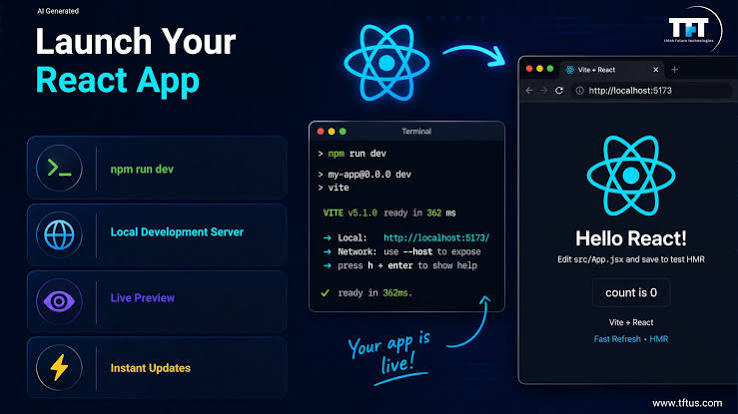
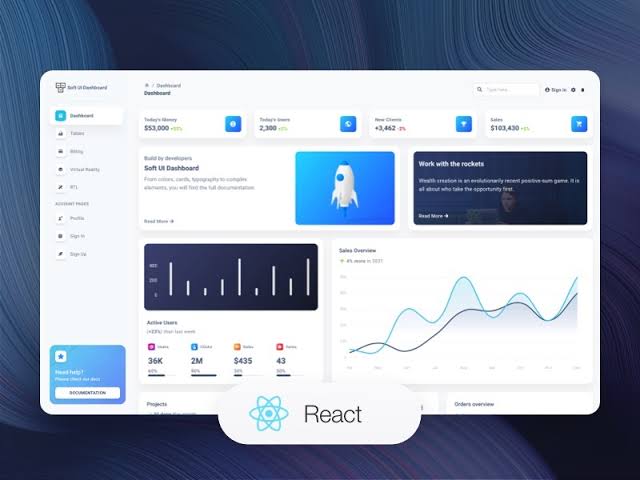
React lets developers build interactive interfaces out of reusable components, which means faster development, easier maintenance, and a more consistent user experience across your entire website. If you want to understand how a professional React build should be structured, our React JS best practices guide covers the patterns we follow on every project.
Component-based development also makes future changes cheaper. Instead of rebuilding an entire page to update a button style or a pricing table, developers can update a single reusable component and have that change apply consistently everywhere it is used.
2. Laravel and Node.js for the Back End
Laravel provides a secure, well-structured foundation for PHP-based applications, while Node.js is ideal for real-time features like live chat, notifications, and APIs that need to handle many simultaneous connections. Choosing the right back end depends on your specific business logic, expected traffic, and the systems you already rely on.
Both frameworks are backed by large, active communities, which means security patches, documentation, and skilled developers are easy to find. That matters more than it sounds, since a framework with a shrinking community becomes harder and more expensive to maintain over time.
3. A Development Process You Can Actually Follow
Professional web development follows six stages: Discovery, where we learn your business and goals; Design, where wireframes and visuals are created; Development, where the site is built; Testing, where every feature and device is checked; Launch, where the site goes live; and Support, where we keep it running smoothly. Skipping any of these stages is where most website projects go wrong.
A clear process also protects your budget. When each stage has a defined deliverable, you can review and approve work before moving forward, which avoids the costly scenario of a fully built website that does not match what you actually needed.
Common Web Development Mistakes to Avoid
Even businesses that understand the value of a modern website often fall into a handful of predictable traps during a project. Watching for these ahead of time saves both budget and frustration.
Choosing Design Over Function
A visually striking website that confuses visitors or hides your contact information behind unnecessary animation is not doing its job. Every design decision should support a clear business goal, whether that is generating leads, driving purchases, or building credibility, rather than existing purely for visual impact.
The strongest websites we build balance an attractive design with obvious, frictionless paths to the actions that actually matter for the business.
Ignoring Mobile Users
For most businesses, a majority of website traffic now comes from mobile devices, yet many projects still design for desktop first and treat mobile as an afterthought. This backwards approach consistently produces a worse experience for the majority of actual visitors.
Designing mobile-first from the beginning of a project, rather than adapting a desktop design afterward, produces a noticeably better result and avoids expensive rework later.
Skipping Testing Before Launch
Launching without thoroughly testing forms, links, and page behavior across different browsers and devices is one of the most common and avoidable mistakes in web development. A broken contact form discovered by a customer, rather than during testing, can quietly cost a business real leads.
A proper testing phase, covering multiple devices, browsers, and realistic user scenarios, should always happen before a site goes live, not after.
Treating Launch as the Finish Line
A website is not a one-time project, it is an ongoing asset that needs monitoring, updates, and occasional improvements based on real user behavior. Businesses that treat launch day as the end of the process often watch their site slowly become outdated again within a couple of years.
Budgeting for ongoing support and periodic reviews from the start keeps a website performing well long after the initial build is complete.
How to Choose the Right Web Development Partner
Once you understand what modern web development actually requires, the next decision is who builds it. The right partner has a bigger impact on the outcome of a project than almost any individual technical choice.
Look for a Clear, Documented Process
A development team that cannot clearly explain how they move a project from discovery to launch is a warning sign. You should be able to ask what happens at each stage, how long it typically takes, and what you are responsible for providing, and get a straightforward answer.
Teams without a defined process tend to produce inconsistent results, since every project effectively starts from scratch rather than following a proven method that has already been refined over many previous builds.
Ask About Post-Launch Support
A website needs updates, monitoring, and occasional fixes long after launch day. Before signing a contract, ask directly what support looks like once the project is live, what it costs, and how quickly issues typically get addressed.
Partners who treat launch as the end of the relationship, rather than the start of an ongoing one, often leave businesses without a clear path forward when something eventually needs to change.
Review Real Past Projects
Portfolio examples should be real, live websites you can visit and test yourself, not just polished screenshots. Pay attention to how those sites actually perform: load speed, mobile experience, and whether the design still holds up next to current expectations.
Speaking with a past client directly, when possible, often reveals more about how a team communicates and handles problems than any portfolio piece can.
Pro Tip
Before you request a redesign or a new build, run your current website through a free page speed test and read through it on your phone from start to finish. Most of the biggest, cheapest wins, like compressing images or fixing mobile navigation, can be identified in five minutes and often make a bigger difference than a full visual redesign.
Pairing these quick fixes with the fundamentals in our technical SEO guide will get your existing site significantly further without the cost of a full rebuild, and it gives you a clear list of priorities if you do decide to move forward with one.
Conclusion
Modern web development is not about chasing trends, it is about giving your business a website that loads fast, works on every device, and turns visitors into customers. Whether you need a brand-new build or a redesign of an existing site, following a proven process with the right technology stack makes the difference between a website that works and one that just exists online.
Ready to modernize your website? Explore our web development services or contact us for a free consultation to discuss your project.
Written By
Oracles Force Team
The OraclesForce team builds custom web development, WordPress, Shopify, and app development solutions for US businesses. This article was written by our development team based on real client projects and hands-on experience.