Introduction
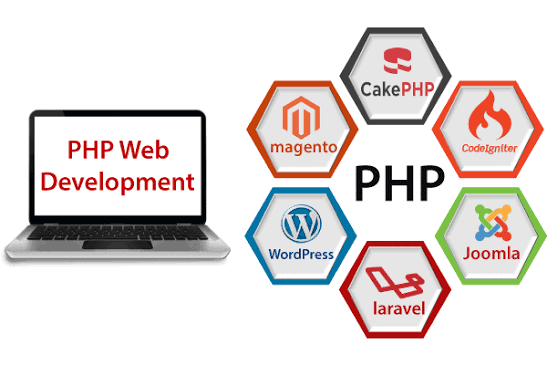
PHP remains one of the most widely used backend languages on the web, powering everything from small business websites to some of the largest platforms in the world. Despite its reputation from years ago, modern PHP written to current standards is fast, secure, and well suited for serious business applications.
In this guide, you will learn the coding standards and architectural practices that separate professional PHP applications from outdated, hard-to-maintain code, along with why these practices matter for the long-term health of a business's backend systems.
We will also cover the mistakes that most often turn a working PHP application into a security or maintenance liability, so you know exactly what to watch for.
This matters whether you are starting a brand-new PHP project or inheriting an application someone else built years ago. The underlying language has changed significantly, and the standards that separate a reliable application from a fragile one are far more established today than they were when much of the PHP running in production was originally written. Understanding these standards helps you evaluate not just your own code, but also the quality of any PHP work delivered by an outside developer or agency.
Why PHP Coding Standards Still Matter
PHP's flexibility is both its greatest strength and its biggest risk. The language allows several different ways to solve the same problem, which means codebases without enforced standards tend to become inconsistent and difficult to maintain as more developers contribute to them over time.
The Legacy PHP Problem
A significant amount of PHP in production today was written years ago, before modern frameworks and standards became widespread. This legacy code often mixes business logic directly with database queries and page rendering, making it fragile and risky to modify without breaking something unrelated.
Businesses running on this kind of legacy code frequently find that even small feature requests take far longer than they should, simply because developers have to carefully trace how tightly coupled the existing code actually is before making a change.
Why Modern PHP Is Different
Current PHP versions include significant performance improvements and stricter typing options that catch entire categories of bugs before code ever reaches production. Combined with modern frameworks like Laravel, PHP today looks and behaves very differently from the PHP many developers associate with the language's earlier reputation.
This modern approach to PHP is exactly what underpins the architecture we cover in our Laravel complete developer guide, since Laravel enforces many of these best practices by default.
PHP Best Practices for Professional Applications
These are the specific standards and architectural choices that keep a PHP application maintainable as it grows, whether it is a small internal tool or a large customer-facing platform.
1. Separate Business Logic From Presentation
Mixing database queries, business rules, and HTML output in the same file makes an application fragile and hard to test. Structuring an application so each layer has a clear responsibility, commonly following an MVC pattern, keeps the codebase organized and much easier for new developers to understand.
This separation also makes automated testing realistic, since business logic can be tested independently from how it is eventually displayed to a user.
2. Use Composer and Established Packages
Rather than writing custom code for problems that have already been solved well, professional PHP development relies on Composer to manage well-maintained, widely used packages for common needs like authentication, validation, and file handling. This reduces both development time and the risk of introducing security vulnerabilities through custom code.
Relying on established packages also means security patches for common vulnerabilities are available quickly, since popular packages are maintained by active communities monitoring for issues.
3. Validate and Sanitize All Input
Every piece of data coming from a user, whether through a form, an API request, or a URL parameter, should be treated as untrusted until validated. Skipping this step is one of the most common ways PHP applications become vulnerable to attacks like SQL injection and cross-site scripting.
Consistent validation also improves the user experience, since clear, immediate feedback on invalid input is far better than a confusing error appearing after a form has already been submitted.
4. Write Automated Tests
Automated tests catch regressions before they reach production, which is especially valuable in PHP applications that get modified frequently by multiple developers over time. A reasonable set of tests around critical business logic, like payment processing or user authentication, pays for itself the first time it catches a serious bug before launch.
Common PHP Mistakes to Avoid
Most security incidents and maintenance headaches in PHP applications trace back to a small set of avoidable habits. These are the ones worth watching for most closely.
Trusting User Input Without Validation
Treating any form submission, URL parameter, or uploaded file as safe without validating it first remains one of the most common causes of serious security vulnerabilities in PHP applications. This single habit alone is responsible for a large share of real-world breaches.
Validating and sanitizing every piece of external input consistently, rather than only on forms that feel high-risk, closes this gap for good.
Mixing Logic and Presentation
Writing database queries and business logic directly inside template files makes an application difficult to test, debug, and hand off to another developer. This pattern is especially common in older, unstructured PHP codebases that grew without a clear architecture from the start.
Separating these concerns, even in a smaller application, pays off quickly the first time a bug needs to be traced through the code.
Ignoring Error Reporting in Production
Displaying detailed PHP errors directly to visitors on a live site exposes sensitive information about your server and codebase to anyone who happens to trigger an error. Errors should be logged privately for developers while showing visitors a generic, safe message.
Proper error logging also makes it far easier to catch and fix problems quickly, since developers are not relying on customers to report issues manually.
Avoiding Package Managers
Some older PHP projects still avoid Composer entirely, manually downloading and including third-party code instead. This makes it much harder to track versions, apply security updates, and manage dependencies safely as a project grows.
Adopting Composer, even for an existing project, is usually a manageable, worthwhile investment that pays off quickly in easier long-term maintenance and far simpler security updates going forward.
Modernizing an Existing PHP Application
Many businesses are not starting a new PHP project, they are trying to safely improve one that already exists and already generates revenue. This requires a different, more careful approach than greenfield development.
Start With an Audit, Not a Rewrite
Before changing any code, document what the application currently does, which parts are fragile, and which parts are business-critical. This gives you a clear map of where the real risk lives, rather than guessing based on which code simply looks old.
An audit also frequently reveals quick, low-risk wins, such as an unused feature that can simply be removed rather than modernized.
Introduce Automated Tests Incrementally
Adding test coverage to legacy code before making changes gives you a safety net that catches regressions immediately. Starting with the most business-critical paths, rather than trying to test everything at once, delivers the most protection for the least initial effort.
Each new feature or bug fix is also a natural opportunity to add a test around the code being touched, gradually improving coverage without a dedicated, disruptive testing phase.
Upgrade PHP Versions Deliberately
Running an outdated PHP version means missing performance improvements and, eventually, losing access to security patches entirely once a version reaches end of life. Planning version upgrades deliberately, with proper testing beforehand, avoids the scramble of an emergency upgrade forced by an unsupported version.
Pro Tip
If you are maintaining an older PHP application, do not attempt to rewrite it all at once. Identify the most fragile or business-critical section first, add test coverage around it, and refactor that section before moving to the next. This incremental approach reduces risk dramatically compared to a full rewrite attempted in one large effort.
Many businesses running legacy PHP eventually migrate to WordPress or Laravel for the areas of their site that benefit most from an established framework, which is worth evaluating alongside our complete WordPress development guide if content management is a core part of your application.
Whichever direction you take, the incremental approach almost always beats a full rewrite, since it keeps the business running normally throughout the entire process.
Conclusion
PHP remains a powerful, reliable choice for backend development when it is written to modern standards. Clear separation of concerns, reliance on well-maintained packages, strict input validation, and automated testing are what keep a PHP application secure and maintainable as your business grows.
Whether you are starting a new PHP project or improving an existing one, these fundamentals are what determine how easy the application will be to maintain a few years from now.
Need help modernizing or building a PHP application the right way? Explore our development services or contact us for a free consultation.
Written By
Oracles Force Team
The OraclesForce team builds custom web development, WordPress, Shopify, and app development solutions for US businesses. This article was written by our development team based on real client projects and hands-on experience.