Introduction
Web development trends shape what customers expect from a website, and understanding these trends in 2026 helps businesses invest in the improvements that actually matter rather than chasing every new technology that comes along.
In this guide, you will learn about the web development trends genuinely shaping 2026, why each one matters for business websites specifically, and how to evaluate which trends are worth adopting for your particular situation.
Not every trend applies equally to every business, and this guide focuses on the ones with real, measurable impact rather than passing novelties.
Why Web Development Trends Matter for Businesses
Customer expectations shift alongside technology, and a website that once felt modern can quietly fall behind what visitors now consider standard. Staying aware of genuine trends, as opposed to short-lived fads, helps businesses invest wisely.
Trends vs. Fads
Not every popular topic in web development represents a lasting shift worth investing in. The trends worth following are the ones solving real, persistent problems, like performance or accessibility, rather than purely aesthetic fashions that will look dated again within a year or two.
Evaluating a trend by the underlying problem it solves, rather than its novelty, is the most reliable way to decide whether it deserves investment.
Why Businesses Should Pay Attention Even Without Rebuilding
Understanding current trends helps businesses make informed decisions during any future redesign or new feature, even if no immediate changes are planned. It also helps in evaluating whether a development partner is building with current, forward-looking practices.
Top Web Development Trends in 2026
These are the trends genuinely shaping how modern, effective websites are being built this year.
1. AI-Assisted Development and Personalization
AI tools are speeding up development workflows and enabling more personalized website experiences, such as content or product recommendations tailored to individual visitors. For businesses with rich customer data, this personalization can meaningfully improve engagement and conversions.
2. Performance-First Design
Page speed has moved from a nice-to-have to a baseline requirement, driven by both user expectations and search engine ranking factors. Our website speed and performance guide covers the specific practices behind this trend in detail.
3. Component-Based, Modern Frameworks
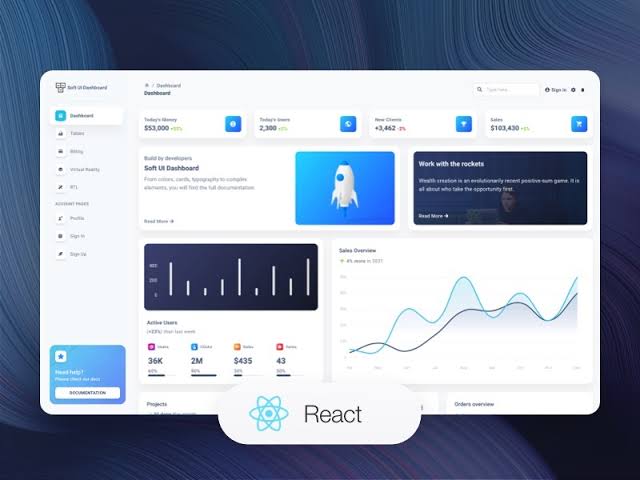
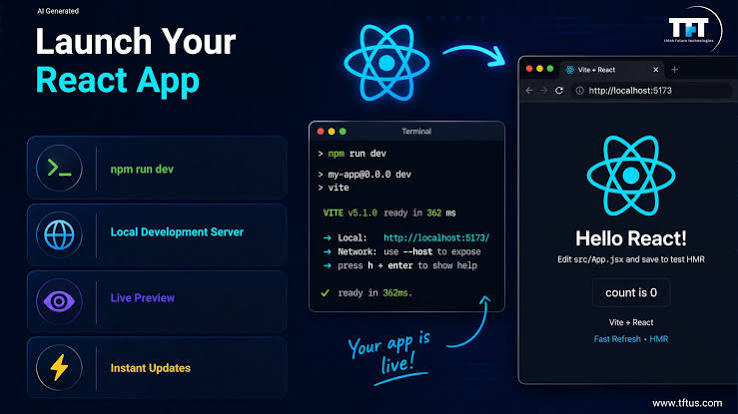
Frameworks like React continue to dominate modern web development because they let teams build faster, more maintainable interfaces. Our React best practices guide covers how these frameworks are used effectively on real business projects.
4. Accessibility as a Standard Requirement
Accessibility is increasingly treated as essential rather than optional, both for legal compliance reasons and because it genuinely expands the audience that can use a website effectively. Businesses building new sites in 2026 should treat accessibility as a core requirement from the start, not an afterthought.
5. Headless and API-Driven Architecture
Separating the content management backend from the frontend presentation layer gives businesses more flexibility to deliver content across websites, apps, and other channels from a single source. This approach is becoming more common for businesses with complex, multi-channel content needs.
Common Mistakes When Following Trends
Businesses trying to stay current with web development trends sometimes make avoidable mistakes in the process.
Adopting Trends Without a Clear Business Reason
Implementing a trendy feature simply because it is popular, without a clear benefit to your specific business or customers, adds cost and complexity without a corresponding return. Every trend should be evaluated against your actual business goals first.
Neglecting Fundamentals While Chasing New Features
A business focused on adding trendy features while ignoring basics like page speed or mobile usability is prioritizing the wrong things. Fundamentals should always come before advanced or experimental features.
Our web development services prioritize these fundamentals first, adding advanced features only where they genuinely serve a client's specific goals.
Rebuilding Too Frequently
Constantly rebuilding a website to chase every new trend is expensive and disruptive without necessarily improving business results. A more sustainable approach is incorporating relevant trends incrementally as part of regular maintenance and improvement cycles.
How to Decide Which Trends to Invest In
With limited time and budget, businesses need a practical way to evaluate which trends deserve investment right now.
Start With Measurable Business Problems
Identify specific, measurable problems your website currently has, such as slow load times or low mobile conversions, and prioritize trends that directly address those problems over ones that sound impressive but do not solve a real issue you are facing.
Consider Your Customers' Actual Behavior
A trend that matters greatly for one industry or audience may be irrelevant for another. Evaluate trends against how your specific customers actually behave and what they expect, rather than general industry hype.
Weigh Implementation Cost Against Expected Benefit
Some trends are inexpensive to adopt incrementally, while others require substantial investment. Being realistic about this tradeoff prevents spending significant budget on a trend with limited practical return for your specific business.
Trends That Are Fading in Importance
Just as some trends are rising, others that once seemed important are becoming less relevant as the web continues to evolve.
Heavy, Decorative Animation for Its Own Sake
Excessive animation without a clear purpose is increasingly seen as working against performance and usability goals, rather than as a mark of a modern website.
Generic, Templated Designs
As more businesses adopt similar page builder templates, standing out increasingly requires more distinct, custom design work rather than following the same visual patterns as every competitor.
Ignoring Performance in Favor of Visual Complexity
The industry-wide shift toward performance-first design means visually complex but slow websites are falling further behind, both in user experience and in search rankings.
How to Prepare Your Website for Future Trends
Rather than reacting to each new trend individually, businesses can build a foundation that makes adopting future improvements easier and less disruptive.
Build on a Modern, Well-Maintained Foundation
A website built with current technology and clean, well-organized code is far easier to extend with new features later than one built on outdated, poorly maintained infrastructure. This foundational investment pays off every time a genuinely valuable new trend emerges.
Keep Design and Content Modular
Websites built with reusable, modular components can adopt new design patterns or features incrementally, section by section, rather than requiring a full rebuild every time the business wants to modernize part of the experience.
Work With a Development Partner Who Stays Current
A development team that actively follows industry trends can proactively recommend relevant improvements as they become genuinely valuable, rather than leaving a business to discover it has fallen behind competitors on its own.
Our portfolio reflects this ongoing evolution, with projects built using current best practices rather than outdated patterns from years past.
Schedule Periodic Technology Reviews
Setting aside time every year or two to review your website's technology stack against current standards catches the moment a genuinely valuable upgrade becomes worthwhile, without waiting for a problem to force the issue. This proactive habit is far less disruptive than reacting only after falling noticeably behind competitors.
Balance Innovation With Stability
A website that changes constantly can feel unpredictable to both customers and internal teams. Balancing genuine innovation with a stable, reliable core experience keeps a website feeling trustworthy while still evolving with real, relevant industry trends over time.
Learning From Your Industry, Not Just the Broader Web
Trends that matter most in your specific industry sometimes differ from what dominates general web development discussion. Paying attention to what leading businesses in your own sector are doing, alongside broader trends, gives a more relevant picture of what is actually worth adopting for your particular audience and market.
Conclusion
The web development trends shaping 2026, from AI-assisted personalization to performance-first design, are worth understanding even if you are not ready to act on all of them immediately. Evaluating each trend based on real business value, rather than novelty alone, ensures your website investment continues paying off.
The businesses that benefit most from these trends are rarely the earliest adopters of every new idea, they are the ones that apply the right trend to a real, specific business need at the right time.
Want to know which trends make sense for your website? Explore our web development services or contact us for a free consultation to discuss your specific goals.
Frequently Asked Questions
Do I need to rebuild my website to keep up with these trends?
Not necessarily. Many of these trends can be adopted incrementally, such as improving performance or adding AI-assisted features, without a full rebuild. A full redesign only makes sense if your current site has other significant limitations as well.
Which trend matters most for a small business website?
Performance and mobile experience matter most for the majority of small businesses, since they directly affect search rankings and conversions regardless of industry. More advanced trends like AI personalization matter more for larger, data-rich businesses.
Is AI replacing web developers?
No, AI tools are changing how developers work by speeding up repetitive tasks, but they still require experienced developers to guide architecture, ensure quality, and make the business-specific decisions AI tools cannot make on their own.
How often should I revisit my website's technology stack?
Reviewing your technology choices every two to three years is reasonable for most businesses, ensuring your site keeps pace with performance expectations and security standards without requiring constant, disruptive changes.
Written By
OraclesForce Team
The OraclesForce team builds custom web development, WordPress, Shopify, and app development solutions for US businesses. This article was written by our development team based on real client projects and hands-on experience.